

Whole-Self Leadership: Why Leading Like a Role Is Breaking Your Team | Cultural Alignment Solutions
Here’s the truth: some leaders are doing everything “right”… and still not getting results.
They’re saying the right things. Running the right meetings. Following the right structure. But something is off—and their team can feel it. This is where most leaders get it wrong. They think leadership is about doing more, saying more, or fixing behavior.
It’s not.
The problem isn’t your effort. It’s your alignment.
When how you show up internally doesn’t match how you’re trying to lead externally, your team picks up on the gap. And that gap creates hesitation, disconnection, and lack of trust.
If you want to elevate your leadership, you don’t start with tactics. You start with who you’re being.
What Whole-Self Leadership Actually Means
Whole-Self Leadership is not a framework you memorize or a checklist you follow.
It’s how you lead from the inside out.
It’s the alignment between what you believe, what you feel, what you do, and how you show up—especially when things get uncomfortable. Because that’s when your leadership is exposed. Not when things are smooth. Not when everything is working.
When you’re under pressure. When you’re frustrated. When you don’t have the answer.
That’s when your team sees the real version of you.
And here’s the part most leaders have never been taught: your beliefs are driving everything.
Your beliefs shape your emotions.
Your emotions influence your actions.
Your actions create your team’s experience.
So if you don’t like what you’re seeing from your team, this is where things break down. Most leaders try to fix behavior. But behavior is downstream.
If you want real change, you have to shift what’s underneath it.
The Hidden Cost of Leading Like a Role
A lot of leaders are performing leadership instead of embodying it.
They’ve learned what leadership is supposed to sound like. They know how to give direction. They know how to talk about results. But their presence doesn’t match their message.
And teams feel that immediately.
One senior leader we worked with said, “I just need them to execute.”
From his perspective, he was clear, direct, and focused. But what his team experienced was completely different. They felt tension. They saw inconsistency. They shut down emotionally.
They weren’t leaning in. They were pulling back.
This is where most leaders get stuck. They believe they’re leading effectively because they’re doing the actions. But leadership isn’t just what you say. It’s how people experience you while you’re saying it.
If your presence creates pressure instead of clarity, your team will protect themselves instead of performing.
The Shift: From Doing Leadership to Being a Leader
Whole-Self Leadership forces a different question.
Not, “What should I say right now?”
But, “Who am I being in this moment?”
Because your presence sets the tone before your words ever land.
Your reactions teach your team what’s safe.
Your consistency teaches them what matters.
Your energy shapes how they show up.
Whether you realize it or not, your team is responding to you long before they respond to your instructions.
This is where real leadership begins.
When you stop trying to manage perception and start taking ownership of your internal state, everything changes. Conversations become more real. Trust becomes easier. Alignment becomes natural instead of forced.
The 3 Truths of Whole-Self Leadership
There are three realities every leader has to accept if they want to lead at a higher level.
You are always teaching something. Even when you say nothing, your team is learning from how you react, how you show up, and what you tolerate.
You don’t get to opt out of influence. Leadership is not a switch you turn on and off. Your team is always reading you, whether you intend it or not.
You reproduce who you are, not what you say. This is the hard truth. You can talk about accountability all day, but if you avoid it, your team will too. You can preach clarity, but if you’re inconsistent, your team will mirror that.
This is where things either align—or fall apart.
The AAF Framework in Whole-Self Leadership
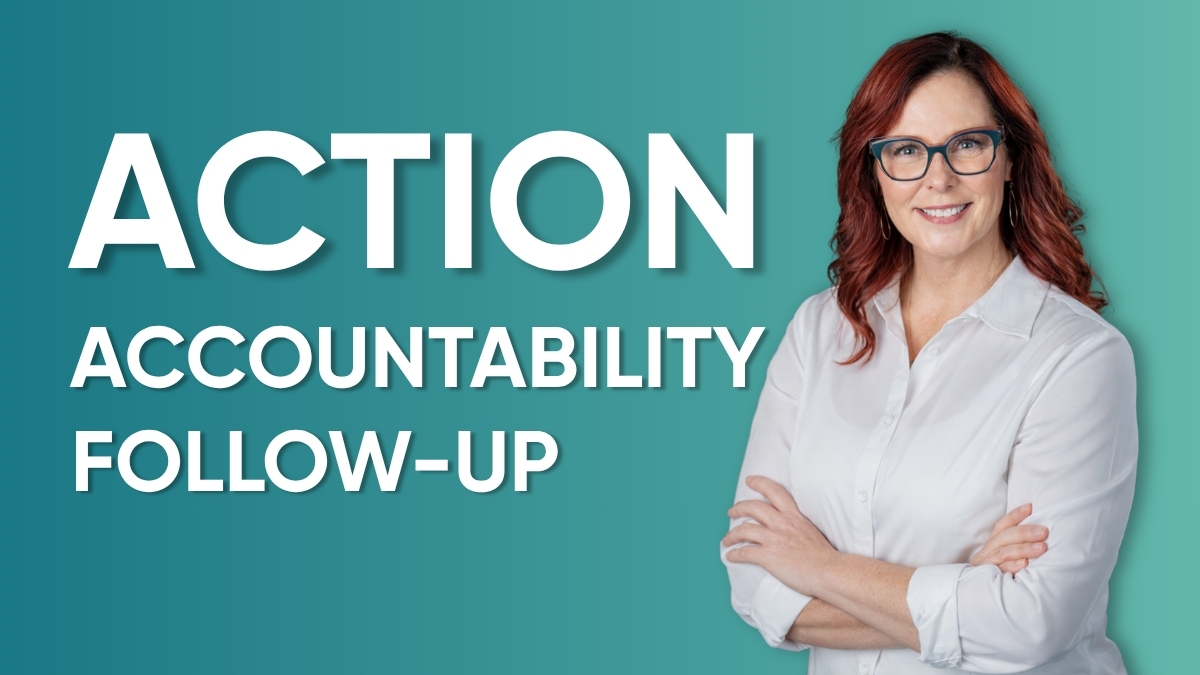
If you want to apply this in a real way, this is where Action, Accountability, and Follow-Up come in.
Action
Action starts internally. Before you lead others, you have to lead yourself. That means recognizing your emotional patterns, your triggers, and the beliefs driving your behavior. If you don’t take action on your internal state, your external leadership will stay inconsistent.
Accountability
This is where most leaders avoid the real work. Accountability is not just about holding your team responsible. It’s about owning how your presence, reactions, and decisions are shaping the environment. If your team is disengaged, unclear, or inconsistent, you have to ask where your leadership is contributing to that.
Follow-Up
Follow-up is not just about tasks. It’s about consistency in who you are. Do you show up the same way under pressure as you do when things are easy? Do your actions consistently match your expectations? This is where trust is either reinforced or broken.
When AAF is applied at the identity level—not just behavior—you stop leading in moments and start leading as a standard.
What Changed for That Leader
That leader didn’t learn a better script.
He built awareness.
He slowed down instead of reacting. He listened instead of assuming. He owned his emotional responses instead of letting them control the room.
And his team responded.
Not because they were forced to. Because the environment changed. It became safer to engage, clearer to execute, and more consistent to operate in.
Same expectations. Different leadership.
That’s the shift.
Before your next conversation, pause and ask yourself this:
If your team became more like you over the next 90 days, would that excite you—or concern you?
Answer that honestly.
Because that’s where your work is.
You don’t fix leadership by adding more tactics.
You fix leadership by aligning who you are with how you lead.
Whole-Self Leadership is not about perfection. It’s about awareness, ownership, and consistency. When those are in place, your leadership becomes predictable in the best way. Your team knows what to expect. Trust builds. Execution improves.
Here’s the truth: you don’t fix culture by telling people what to do. You change how you show up, and culture follows.
If you’re leading from a role instead of alignment, your team already feels it.
And if this is showing up in your results, it’s time to address it.
At Cultural Alignment Solutions, this is exactly the work we do. We help leaders shift from surface-level leadership to real, internal alignment that drives performance, trust, and consistency.
If you’re ready to stop performing leadership and start embodying it, book a strategy call.
Let’s fix what’s underneath your results.